
Ornamental Fishery
Ornamental Fisheries
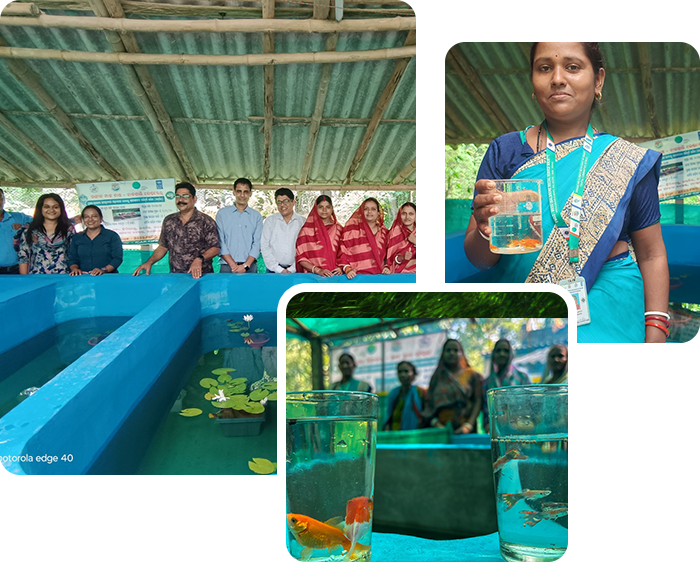
Odisha is home to rich aquatic ecosystems, including rivers, wetlands, estuaries, lagoons such as Chilika, and extensive coastal habitats. These ecosystems support a wide variety of colourful and high-value ornamental fish species, presenting strong potential for developing ornamental fisheries as a sustainable livelihood option for coastal and rural communities.
Ornamental fisheries involve the breeding, rearing and marketing of decorative aquarium fish. Unlike capture fisheries or large-scale aquaculture, ornamental fish farming is a low-investment, home-based enterprise that requires minimal land, water, and infrastructure. This makes it particularly suitable for small and marginal households in Odisha, especially in climate-vulnerable coastal districts.
Recognizing the need for climate-resilient and diversified livelihood options, the ECRICC project in Odisha promotes ornamental fisheries as a climate-adaptive livelihood alternative.
Benefits of Ornamental Fisheries under ECRICC
Alternative Livelihood and Income Generation:
Provides an alternative and supplementary income source for coastal and rural households, reducing economic risks associated with climate variability.
Low-Cost, Home-Based Enterprise:
Can be managed using small tanks, backyard ponds, or containers within household premises, requiring minimal land, water, and infrastructure.
Climate-Resilient Livelihood:
Farming is carried out in controlled environments, allowing farmers to manage water quality, temperature, and feeding, making it less vulnerable to cyclones, floods, and salinity intrusion.
Promoting Entrepreneurship and Self-Employment:
Encourages small-scale entrepreneurship, particularly among youth and women, through skill-based, market-oriented production.
Sustainable and Eco-Friendly Practice:
Promotes responsible aquaculture practices with low environmental impact and reduced pressure on wild fish stocks.
Support Models under ECRICC
Backyard Model:
Designed for small and first-time farmers, this model supports beneficiaries through technical training, starter inputs, essential equipment, and market linkage support to enable household-level ornamental fish production.
Aggregator Model:
Targeted at lead farmers and existing entrepreneurs, this model enables them to act as aggregators by providing technical guidance, input support, and market access to a cluster of 5–10 associated farmers.
Technical Partnership
To strengthen capacity building and technical expertise, the ECRICC project partnered with the Central Institute of Freshwater Aquaculture (ICAR - CIFA), a premier national institution in aquaculture research, training, and technology transfer. Through this partnership, ECRICC is supporting beneficiaries with structured training, scientific production protocols, quality broodstock management, and advisory services to ensure sustainable and market-ready ornamental fish production in Odisha.
More Evolution Projects
Seaweed farming
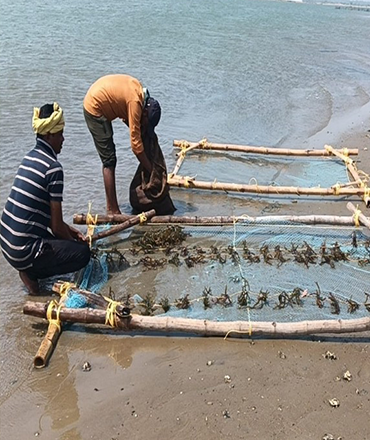
ECRICC project in Odisha has introduced seaweed farming as a climate-adaptive livelihood ...
Read More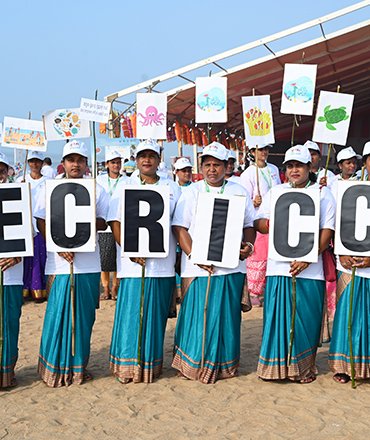
Climate Champions
On a blistering afternoon in Kendrapara, a coastal district in Odisha, India, Debjani Mandal...
Read More
Watershed restoration
Watershed restoration is a process of repairing and improving the health and function of a watershed...
Read More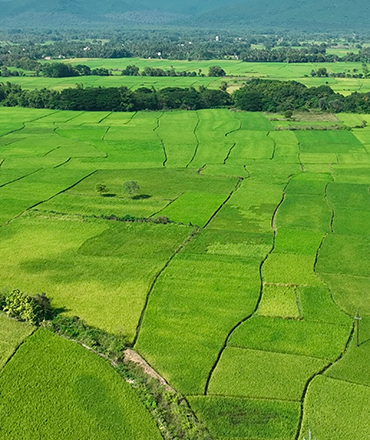
System of Rice Intensification
The System of Rice Intensification (SRI) is a rice farming method that aims to increase rice productivity...
Read More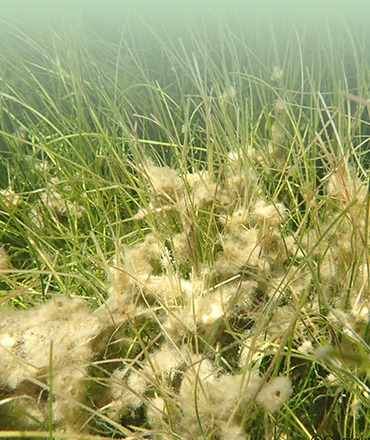

Salt Marsh Protection
The Salt Marsh Protection Initiative is a key action under the GCF-GoI supported ECRICC Project in Odisha...
Read More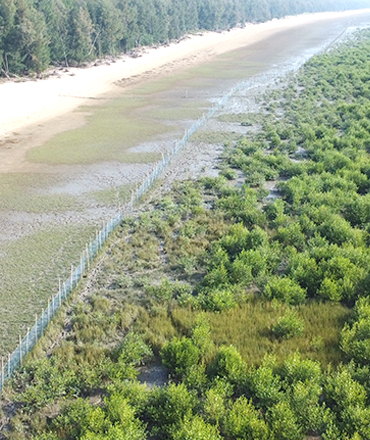
Mangroove Restoration
India’s eastern coastline is home to significant mangrove forests, which play a crucial role in coastal protection.
Read More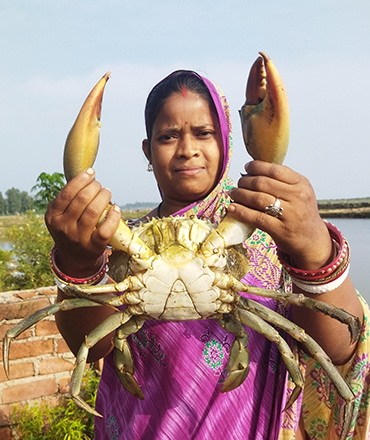
Crab Farming in Odisha
Enhancing Climate Resilience of India’s Coastal Communities" (ECRICC) project, initiated in 2019, aims to safeguard vulnerable coastal populations...
Read More